
Smart Technologies for Building Automation: Innovative Solutions for Energy Efficiency and Comfort
Building automation is a key step toward modernizing infrastructure and creating more efficient, comfortable, and sustainable living environments. In the context of rapid technological advancement and increasing demand to reduce energy consumption, automation solutions are becoming increasingly popular. These technologies are not only essential for user comfort but also for the optimal energy performance of buildings. In this article, we explore the latest smart building automation technologies and their impact on energy efficiency, comfort, and security. We also highlight contributions from leading partners such as Schüco, Dorma, Sika, Parklex, Jensen, and Saint-Gobain.
What Is Building Automation and Why Does It Matter?
Building automation involves the integration of advanced technologies to control and monitor various building functions such as heating, ventilation, and air conditioning (HVAC), lighting, security, and even door and window hardware. These intelligent systems are connected through a centralized network, enabling them to collaborate and automatically respond to environmental conditions or user preferences.
In addition to enhancing comfort, building automation leads to significant energy savings by efficiently managing resources, improving energy consumption control, and reducing CO2 emissions. Moreover, automation enhances building security through integrated video surveillance and alarm systems connected to smart networks.
Core Technologies in Building Automation
- Building Energy Management Systems (BEMS) BEMS
Are critical to modern building automation. These systems enable real-time monitoring and control of energy consumption, optimizing resource usage and minimizing waste. By integrating renewable energy sources (such as solar panels or wind turbines), BEMS improve energy efficiency and provide detailed analytics to help users better understand and manage building performance.
- Smart Lighting Systems
Smart lighting plays a vital role in building automation. These systems use motion and light sensors to adjust lighting intensity based on time of day and room occupancy. Smart lighting significantly reduces energy consumption by ensuring lights are only on when needed and automatically switching them off when a space is unoccupied.
- Intelligent Ventilation and Climate Control
Effective ventilation and climate control are crucial for occupant comfort. Smart HVAC systems use sensors to monitor temperature, humidity, and air quality, adjusting settings automatically to maintain a healthy and pleasant indoor environment. These systems can learn user behavior and adapt accordingly, conserving energy when full climate control is not required.
- Smart Hardware for Doors and Exterior Fittings
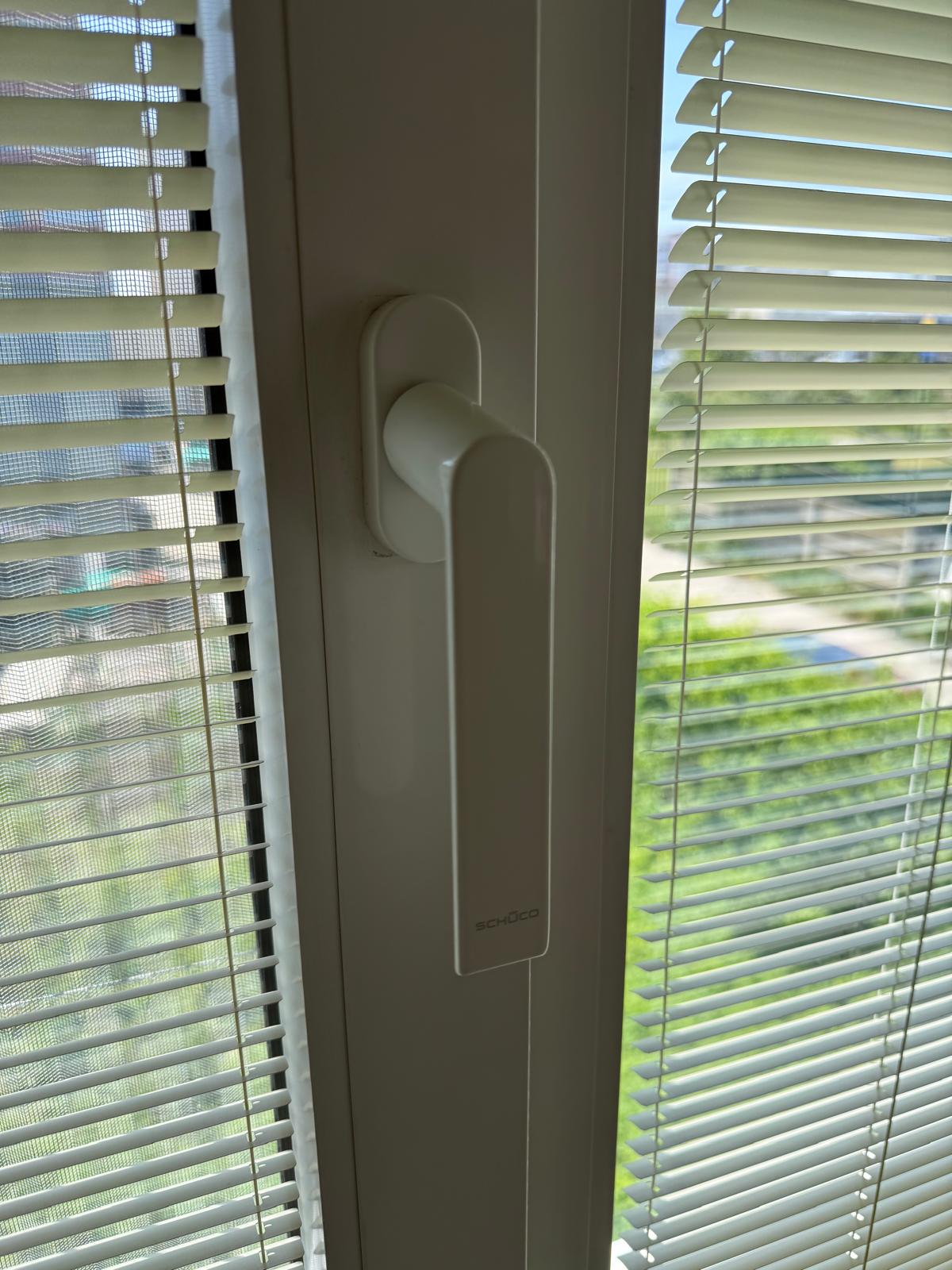
Intelligent door and window hardware systems are increasingly used in modern buildings. These systems allow automatic opening and closing of doors and windows, providing enhanced security and comfort. They are integrated with central building management systems and can function as part of broader smart networks.
Key Partners in Building Automation
- Schüco: Smart Exterior Hardware Solutions
Schüco is a global leader in exterior door and window hardware systems, renowned for innovative solutions that integrate seamlessly with intelligent buildings. The company offers a wide range of products from aluminum and stainless steel door systems to advanced hardware for exterior fittings compatible with automation networks.
Schüco focuses on energy-efficient solutions that enhance user comfort and building performance while minimizing environmental impact. More information about Schuco
- Dorma: Automated Door and Access Systems
Dorma is a major player in building automation, specializing in automated door and access technologies. Their solutions include intelligent door systems that can be seamlessly integrated into building automation networks, allowing automatic operation based on user needs. Ideal for high-traffic environments, Dorma products enhance both comfort and operational efficiency. Discover Dorma products
- Sika: Innovative Solutions for Sustainable Construction
Sika is a global company providing high-performance solutions for energy-efficient and sustainable construction. Their product range includes insulation and protection materials that support the development of smart and energy-efficient buildings. Sika emphasizes technologies that reduce energy use and improve building quality. See more about SIKA
- Parklex: Modern Cladding and Finishing Solutions
Parklex offers cutting-edge wooden panels and exterior finishing solutions. These materials are ideal for integration into intelligent buildings, offering both durability and aesthetic appeal. When combined with automation technologies, Parklex solutions contribute to improved energy management and a more comfortable built environment. Read more about Parklex
- Jensen: Advanced Hardware and Automation Systems
Jensen supplies high-quality hardware and automation systems for both commercial and residential buildings. Their products are designed to integrate with intelligent building management systems, ensuring optimal performance and maximum energy efficiency. Read more about Jensen
- Saint-Gobain: Materials and Solutions for Sustainable Buildings
Saint-Gobain is a global supplier of innovative construction materials and solutions. The company actively develops products that enhance energy performance and reduce environmental impact. From insulating glass to thermal control technologies, Saint-Gobain's solutions are essential in the building automation ecosystem. Aflați mai multe despre Saint-Gobain
Conclusion
Building automation represents the future of intelligent construction. The innovative technologies driving this shift offer significant benefits in terms of energy efficiency, user comfort, and building security. Partners such as Schüco, Dorma, Sika, Parklex, Jensen, and Saint-Gobain are playing a vital role in developing and implementing smart solutions essential for building a more sustainable future. Investing in building automation not only lowers energy consumption but also creates safer, more comfortable, and more efficient environments.