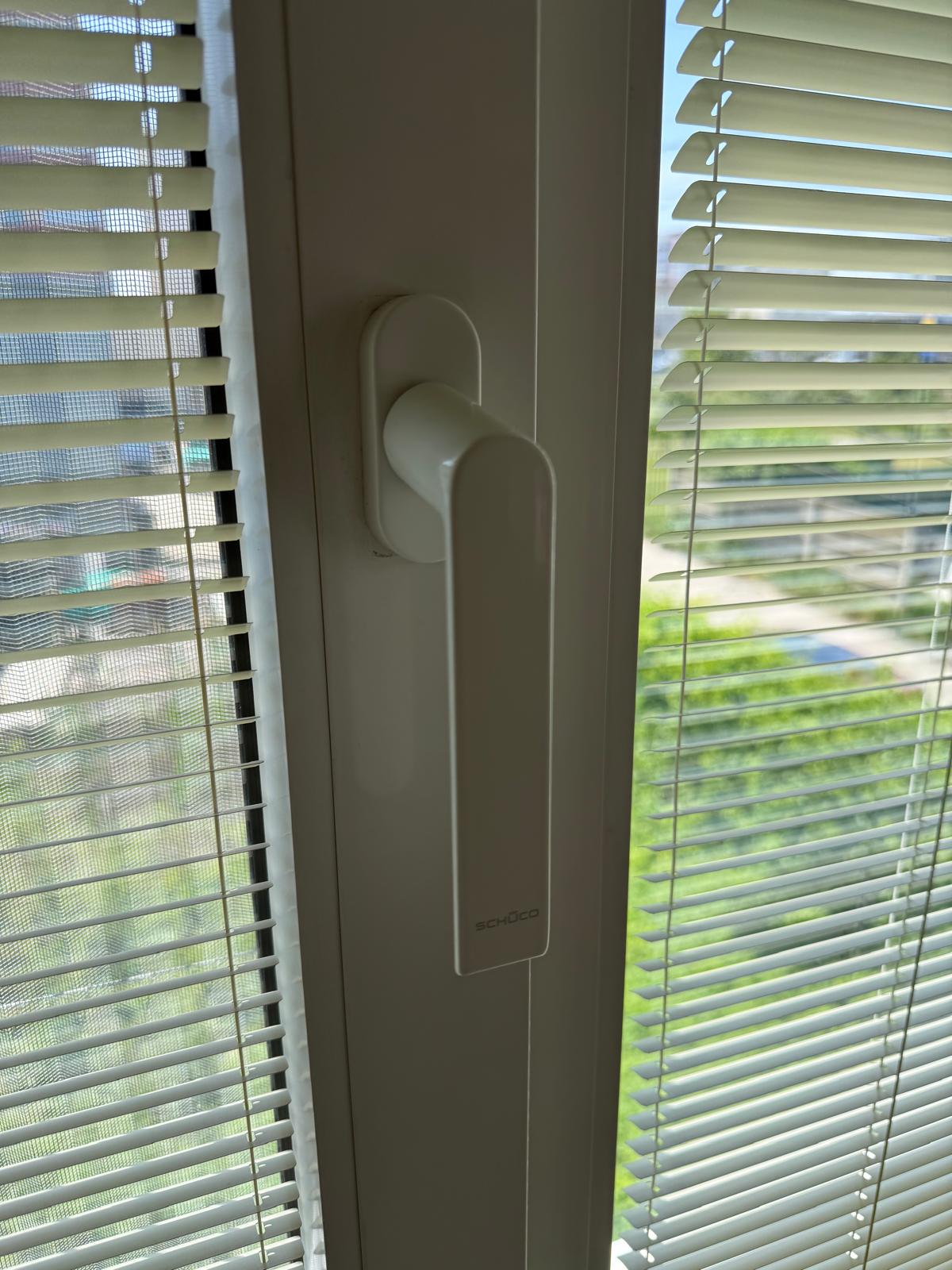

When furnishing your home, one of the essential aspects to consider is the selection of hardware and materials, and glass is no exception. Choosing the right type of glass for your fittings is a crucial step that can influence not only aesthetics but also the comfort, safety, and energy efficiency of your home. In this comprehensive guide, we will analyze the types of glass available on the market, their characteristics, and the criteria to consider when making your choice.
1. The Importance of Choosing the Right Type of Glass
Glass is not just a transparent material that allows natural light to enter your home—it has a significant impact on thermal and sound insulation, safety, and the durability of your fittings. Choosing high-quality glass can help reduce energy consumption, block external noise, and improve the overall safety of your home.
2. Types of Glass for Hardware Applications
There are several types of glass, each with unique features suited for different purposes. Here are the most common types used in doors, windows, and architectural fittings:
a. Single Glass (Monolithic)
This is the most commonly used type of glass in standard fittings for doors and windows. It does not provide thermal or acoustic insulation and is easier to break than other types. It is generally used in basic applications where insulation is not a priority.
b. Double Glazing (Thermopane)
Double glazing consists of two glass panes separated by a gap filled with air or an inert gas like argon. This design provides excellent thermal and acoustic insulation, significantly reducing heat loss and blocking external noise. It is ideal for urban areas or homes near noisy environments.
c. Triple Glazing
With three layers of glass and two insulating gaps, triple glazing offers superior insulation compared to double glazing. It is commonly used in luxury homes or buildings located in extremely cold regions, where energy efficiency is a top priority
d. Tempered Glass (Toughened)
Tempered glass is heat- or chemically-treated to enhance its strength and impact resistance. It is commonly used in doors and windows that require added safety. If broken, it shatters into small, blunt pieces, reducing the risk of injury.
e. Laminated Glass
Laminated glass is made of two or more layers of glass bonded together with a plastic interlayer. This makes it safer, as the interlayer holds the fragments together when shattered. It is widely used in security doors, façades, and safety glazing.
f. Solar Control Glass
This glass features a special coating that filters ultraviolet (UV) radiation and prevents overheating. It is ideal for sun-exposed façades and rooms where temperature control and protection from fading furniture are important
g. Reflective Glass
Reflective glass has a metallic coating that reflects a large portion of solar radiation, helping maintain a constant indoor temperature. It is commonly used in office buildings or homes in hot climates where sun protection is critical.
3. Criteria for Choosing the Right Glass for Your Home
When selecting the type of glass, several key factors should be considered to enhance comfort and safety:
a. Thermal Insulation
If your main goal is to reduce heat loss and save energy, opt for double or triple glazing. These types help maintain a constant indoor temperature, protecting against cold in winter and excessive heat in summer.
b. Sound Insulation
In noisy urban or industrial areas, laminated or double glazing glass helps reduce external noise. Laminated glass in particular has excellent acoustic insulation properties.
c. Safety
For enhanced security, consider tempered or laminated glass. These are more impact-resistant and minimize injury risks in case of breakage, making them ideal for entry doors and accessible windows.
d. Solar Protection
If your home is exposed to direct sunlight throughout the day, solar control or reflective glass can help maintain a pleasant indoor temperature and reduce the need for air conditioning.
e. Aesthetics
Depending on the architectural style of your home, the type of glass can enhance the overall appearance. Reflective or solar control glass provides a modern look, while laminated glass adds elegance and a sense of security.
4. Maintenance and Cleaning
Proper maintenance is essential to preserve the clarity and performance of glass over time. Use glass-specific cleaning solutions and soft sponges—avoid abrasive substances that may scratch the surface. Periodically inspect the glass for cracks or damage, especially for safety or laminated glass.
Conclusion
Choosing the right type of glass for your fittings is a vital step in home design and renovation. From thermal and acoustic insulation to safety and solar protection, each type of glass offers unique advantages that can improve your home’s comfort and energy efficiency. Based on your needs and preferences, select a glass type that meets your specific requirements. Whether it’s double glazing, tempered, or laminated glass, make sure your choice brings long-term benefits to your living space.