
Optimizing energy consumption in buildings is a major concern in the current context, given the rising energy costs and the urgent need to reduce carbon emissions. Elements such as doors, windows, and ventilated facades play a vital role in achieving this goal, significantly impacting a building's energy efficiency. In this article, we explore how these components contribute to energy savings and present solutions offered by renowned partners such as Parklex, Jansen, Saint-Gobain, Dorma, Sika, and Schüco. Parklex, Jansen, Saint-Gobain, Dorma, Sika și Schüco.
The Importance of Doors and Windows in Energy Efficiency
Efficiency Doors and windows are critical points in a building's envelope through which significant heat loss can occur. Choosing the right products is essential for ensuring effective thermal insulation.
Energy-Efficient Windows
Modern windows equipped with high-performance glazing can significantly reduce heat loss. Saint-Gobain offers energy-efficient glazing solutions that use metallic coatings to reflect heat back into the interior while still allowing natural light to enter. This helps maintain optimal indoor thermal comfort and reduces heating costs.
Triple-glazed solutions from Saint-Gobain also ensure full transparency and excellent light transmission while retaining indoor heat and allowing in natural warmth. These features lead to considerable energy bill savings.
Thermally Insulated Doors
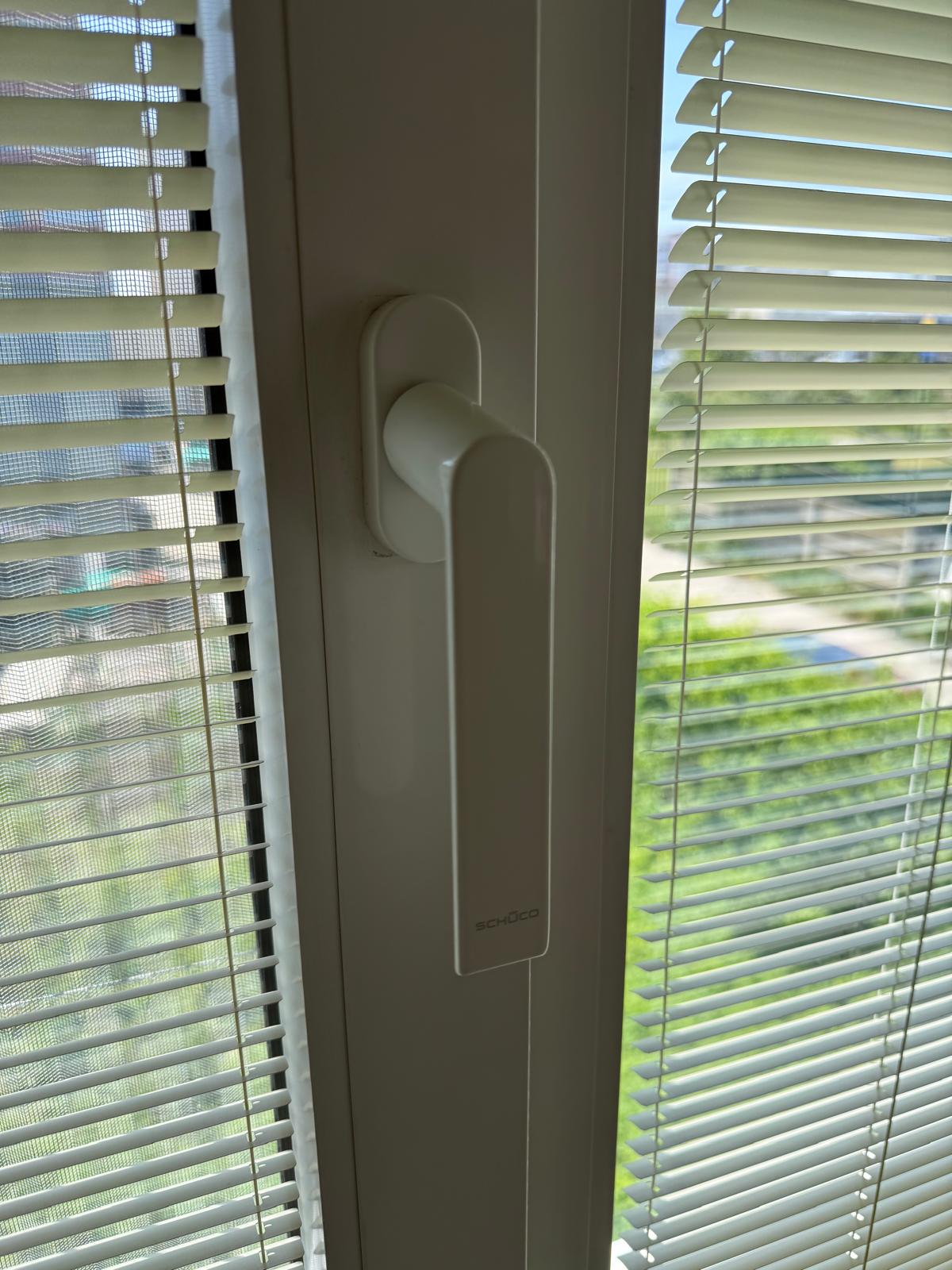
Exterior doors must provide adequate thermal insulation to prevent heat loss. Modern solutions incorporate materials with high insulating properties and efficient sealing systems to block cold air infiltration. For example, Schüco offers contemporary door systems with smart features that combine aesthetics with outstanding energy performance.
The Role of Ventilated Facades in Optimizing Energy Consumption
Ventilated facades are an innovative solution for improving a building’s energy efficiency. They consist of an outer cladding system mounted on a secondary structure, creating a ventilated air cavity between the structural wall and the cladding. This air layer acts as a thermal barrier, reducing heat transfer and helping maintain a stable indoor temperature.
Parklex provides natural wood exterior cladding solutions that combine refined aesthetics with high technical performance. These materials are weather-resistant, require minimal maintenance, and ensure effective thermal insulation.
Ventilated facades also help eliminate moisture from the wall structure, preventing mold and other associated issues. This contributes to a healthier indoor environment and extends the building’s lifespan.
Innovative Solutions for the Entire Lifecycle of the Building
At BAU 2025, Alukönigstahl, together with its partners Schüco and Jansen, presented innovative solutions aimed at improving energy efficiency throughout the entire lifecycle of a building. These solutions target both new constructions and renovations, offering products and services that increase property value while reducing the carbon footprint.
Schüco Carbon Control
Schüco introduced the Carbon Control concept, designed to reduce the carbon footprint of building envelopes. This concept considers the entire building lifecycle—from planning and construction to operation and deconstruction. By selecting the right materials and implementing smart construction technologies, energy efficiency and sustainability can be significantly enhanced.
Jansen Steel Systems
Jansen offers steel systems for windows, doors, and facades known for their durability and excellent energy performance. For example, the Janisol Arte 2.0 Plus system allows the design of certified exterior and interior doors that provide both safety and energy efficiency.
Saint-Gobain's Contribution to Innovative Projects in Romania
Saint-Gobain has supplied materials for some of Romania's most innovative construction projects, demonstrating its commitment to energy efficiency and sustainable building practices. These include buildings certified to high energy standards such as BREEAM and LEED, where advanced glazing and insulation solutions were used. These projects prove that modern technologies can significantly reduce energy consumption and contribute to environmental protection.
Materials and Technologies for a Sustainable Future
Beyond ventilated facades and high-performance glazing, the use of innovative materials is key to optimizing energy consumption. Sika, for example, provides sealing, adhesive, and insulation systems that enhance a building's thermal performance. Their products are frequently used to eliminate thermal bridges and prevent heat loss.
Dorma, known for its automatic closing systems and smart access solutions, helps maintain optimal indoor climates by minimizing the loss of conditioned air. Integrating such solutions into architectural projects ensures both occupant comfort and long-term energy savings.
Conclusion
Optimizing energy consumption in buildings is a complex process involving the selection of quality materials, the use of efficient technologies, and the integration of innovative systems. Doors, windows, and ventilated facades play a vital role in this process, and solutions from partners such as Parklex, Jansen, Saint-Gobain, Dorma, Sika, and Schüco ensure performance and sustainability.
By implementing these solutions, both real estate developers and homeowners can significantly reduce maintenance costs and contribute to environmental protection. Energy efficiency is no longer just an option—it is a necessity in today’s world, and the technologies currently available make it possible to achieve this goal without compromising on comfort or design.
To learn more about the solutions presented, visit the partners' official websites:
Adoptarea unor soluții eficiente energetic nu este doar o alegere inteligentă, ci și un pas important spre un viitor mai sustenabil și mai economic.